In Chinese medicine, summer is known as the season of culminant yang; there is a buoyancy of free floating energy that is at once light and formless. While yin is solid and material, yang is light and immaterial, or invisible. Much like light itself, yang energy is always moving and changing, as it radiates in all directions at once. The powerful energy of the sun is the best symbol of yang.
The extra heat of summer can be healing, yet as heat persists it can lead to loss of electrolytes, weakness of the limbs, and respiratory challenges. It’s important to stay hydrated.
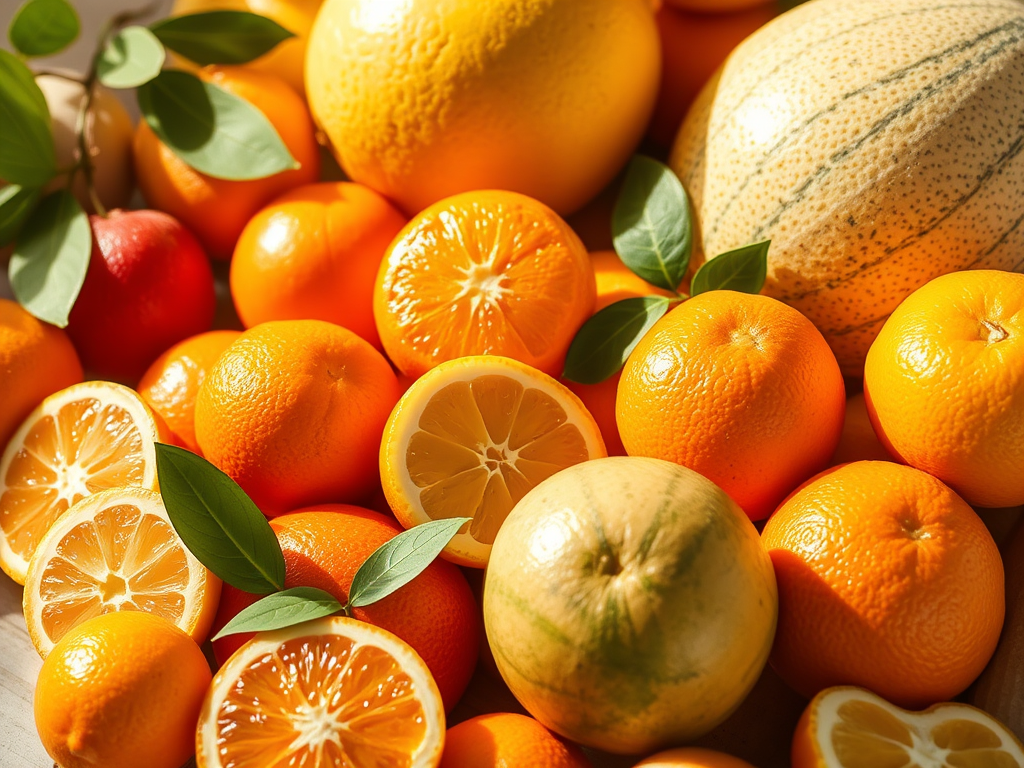
Refreshing and cooling, fruit is a thirst-quenching and fiber-laden food group. From lemons to oranges to cantaloupe, fruits are filled with antioxidants, vitamins, and many of the water-soluble vitamins. More minerals and oils are sweated out of the body faster with the loss of more fluids in hot temperatures, and this loss can cause weakness if they are not regularly supplemented with a varied diet that includes hydrating foods (Pitchford, 1993),
Fruits and their peels can be used as medicine. The fleshy portion of the fruit, the segmented part that is eaten, is moistening and refreshing. Citrus fruits, including oranges, lemons, limes, and grapefruit, contain a lot of water. Most types of fruit enter the Lung and Stomach meridians, which supply and distribute fluids and ease dryness symptoms such as thirst and constipation.
Orange (Citrus sinensis), or ju zi, is moistening and deeply nourishes the yin of both the Lung and Kidney organs, making it a valuable dietary aid for any long term lung disease such as chronic bronchitis or asthma. It is useful for those with weak Lung constitutions. A weakness of the Lung suggests underlying Kidney deficiency, seen in those with such signs such as fresh-red cheeks, frequent thirst, low and weak voice, night sweats, and hot palms.
Lemons and their peels are beneficial on so many levels. This may be the reason they are so often preserved, so that their properties can be utilized all year long. Lemon (Citrus limonia), or ning meng, is useful for regulating digestive qi, and can ease nausea from a sour stomach or morning sickness. Lemon also regulates blood circulation, and can improve the appearance of facial and body skin. Pharmacological analyses show that lemons contain the chemical limonoid, and that this may help fight many types of cancer, including breast, skin, mouth, and colon (Yifang & Yinzhi, 2012).
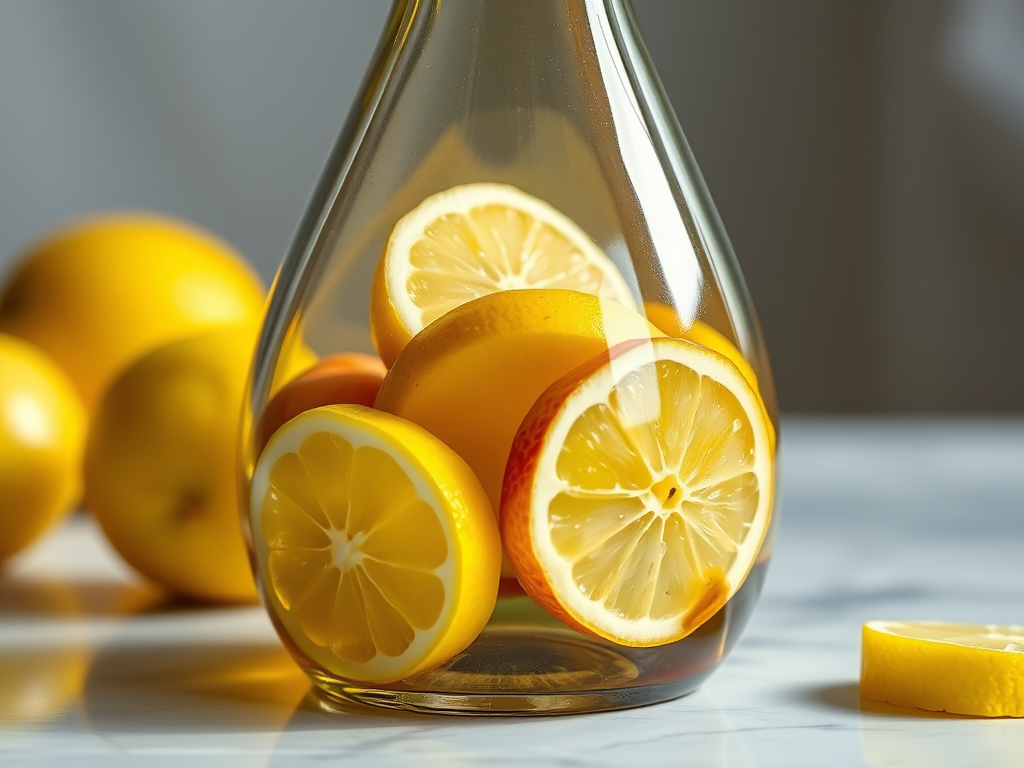
One way to savor lemons throughout summer, and over the ensuing months, is to make a fruit wine. The Chinese have long used alcohol to preserve the medicinal properties of herbs, fruits, and plants. A small amount of alcohol improves circulation to the extremities and can even ease pain, yet the key is to drink only a little to gain such benefits.
Lemony Fruit Wine
Adapted from Yifang & Yinzhi
To make a fruit wine with lemons, slice four lemons, remove seeds, and add one sliced apple to a full bottle of rice wine or light white wine. Steep for 3 months. Drink 1 or 2 tablespoons daily with seltzer water or straight up. Good for body, mind, and soul!!
REFERENCES
Pitchford, P. (1994). Healing with whole foods. Paradigm Publications.
Yifang & Yingzhi (2012). Your guide to health with foods & herbs. Shanghai Press & Publishing Co., Ltd.
 Channel Acupuncture & Herbs
One response to “Fruits of Summer & Lemony Wine Recipe”
[…] Fruits of Summer & Lemony Wine Recipe […]
LikeLike